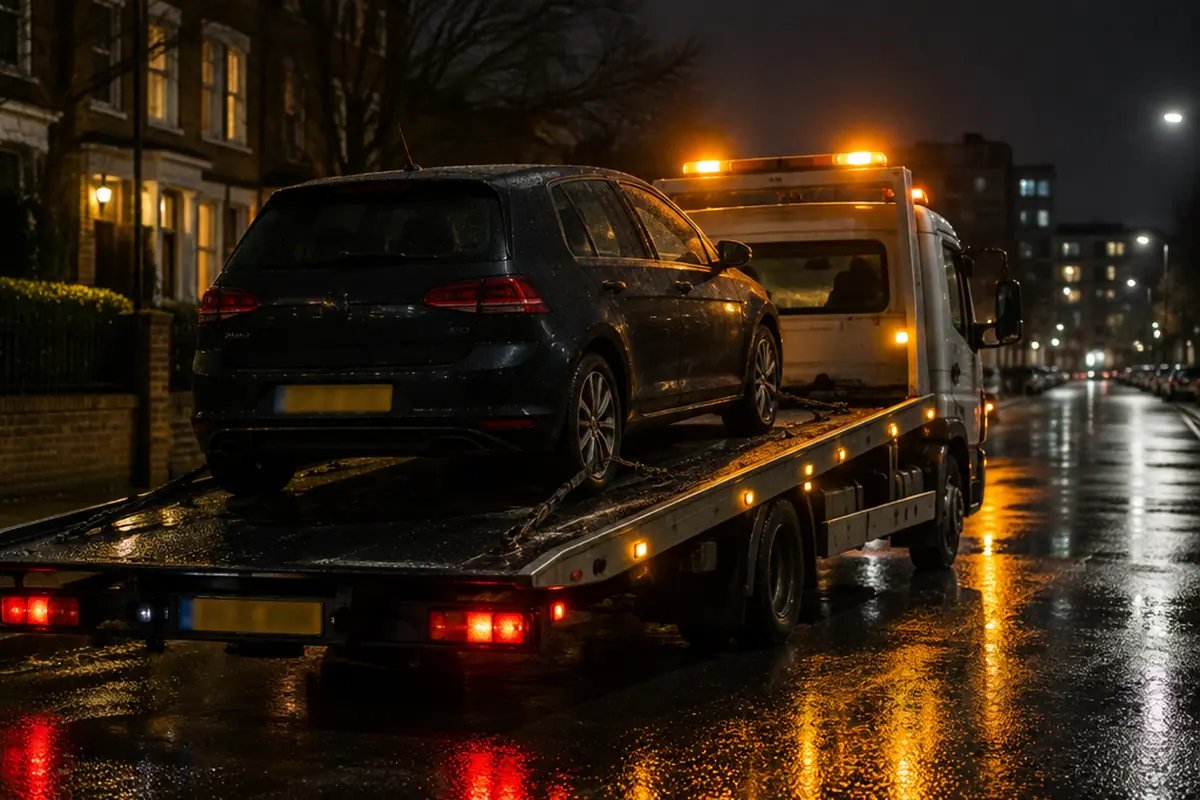
Yes. In Scotland, the police can seize a car after a drink driving arrest, and the court can order it to be forfeited, meaning you lose it for good. This is in addition to the driving ban, the fine and the criminal record.
The vehicle forfeiture scheme does not apply to every drink driver. It targets repeat offenders, and first time offenders who are three times the limit or more, or who refuse to provide a sample for analysis.
Key points
- Scotland operates a vehicle forfeiture scheme for drink and drug drivers.
- It applies to repeat offenders, and to first time offenders who are three times the limit or more or who fail to provide a specimen.
- The police can seize the vehicle at the time of arrest, and the procurator fiscal can then ask the court to forfeit it on conviction.
- Forfeiture is in addition to the mandatory driving ban and any fine.
- If the car belongs to someone else, such as a partner or a finance company, they may be able to ask for it back.
How does the vehicle forfeiture scheme work?
- Arrest You are arrested for drink or drug driving, or for failing to provide a specimen.
- Seizure If your case falls within the scheme, the police can seize the vehicle you were driving and keep it pending the outcome of the case.
- Prosecution The procurator fiscal prosecutes the offence and asks the court to forfeit the vehicle if you are convicted.
- Court decision On conviction, the court can order forfeiture under section 33A of the Road Traffic Offenders Act 1988. A forfeited vehicle can be sold or destroyed.
The scheme was introduced in 2009 for repeat offenders and later extended to cover drug driving and serious first offences.
Who does it apply to?
| Situation | Risk of losing your car |
|---|---|
| First offence, below three times the limit | Not normally covered by the scheme |
| First offence, three times the limit or more | Covered |
| Failing to provide a specimen for analysis | Covered |
| Previous drink or drug driving conviction | Covered |
In Scotland, three times the limit means a breath reading of 66 micrograms or more, given the lower Scottish limit of 22. See our guide on driving the morning after drinking for the limits in full.
What if the car is not mine?
Many drivers are arrested in a car owned by a partner, a parent, an employer or a finance company. The owner may be able to apply to the court for the vehicle to be returned, for example if they did not know it would be used in this way. Applications have to be made within set time limits, so the owner should take advice quickly.
Good to know: Even where the car is on finance or a lease, you may still owe the finance company the remaining payments if the car is forfeited. Check your agreement and get advice.
Can the police seize my car for other reasons?
Yes. Separate powers allow the police to seize vehicles driven without insurance or a valid licence, and vehicles used in a way that causes alarm, distress or annoyance, such as antisocial driving. Those powers have their own rules and release fees, separate from the forfeiture scheme. Our road traffic solicitors can advise on each.
Can forfeiture be challenged?
It depends on the facts. Forfeiture is part of the sentence, so the court must consider whether it is appropriate, including the value of the car and the effect on you and others. Arguments can be made in mitigation, and the order can be appealed with the rest of the sentence. If you are found not guilty, the vehicle should be returned.
Our drink driving solicitors and drug driving solicitors review whether the scheme properly applies and prepare mitigation where it does.
Car seized after a drink driving arrest? Get advice from our criminal defence team quickly. Your first hour is free.
Book a free consultationFrequently asked questions
Will I get my car back if I am found not guilty?
Yes, a vehicle held for forfeiture should be returned if you are not convicted.
Can the court forfeit a car I was not driving?
The scheme relates to the vehicle used in the offence. If that vehicle belongs to someone else, the owner may be able to apply for its return.
Does forfeiture apply to drug driving?
Yes. The scheme was extended to drug driving offences.
Is forfeiture the same as a proceeds of crime order?
No. Forfeiture under road traffic law is separate from confiscation under the Proceeds of Crime Act 2002. See our proceeds of crime solicitors for that area.