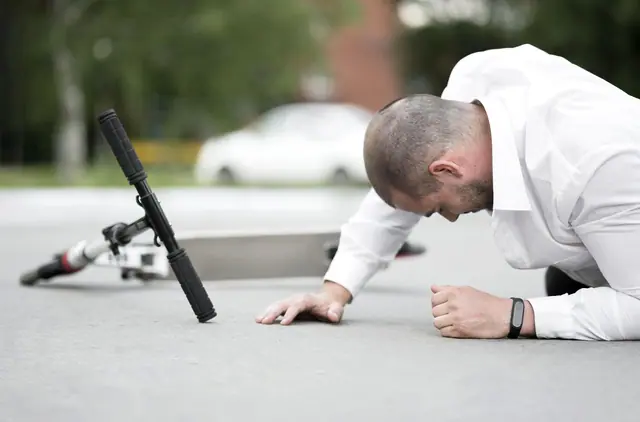
After a slip or fall in a shop or supermarket, get medical help if you need it, report the accident to staff, and gather evidence such as photographs and witness details before you leave. These first steps can make a real difference if you later decide to claim compensation.
A wet floor, a spill, damaged flooring or an obstruction can turn an ordinary shopping trip into an accident with lasting consequences. This guide explains what to do, what evidence to keep and when you may be able to claim.
Key points
- Get medical attention, even if the injury seems minor at first.
- Report the accident to staff and make sure it is recorded in the store's accident book or report.
- Photograph the hazard, the area around it and your injuries, and take details of any witnesses.
- Shops and supermarkets must take reasonable care for the safety of visitors under the Occupiers' Liability (Scotland) Act 1960.
- You normally have three years to raise a court action for a personal injury in Scotland.
What should you do immediately after a fall in a shop?
- Get medical attention Even if the injury feels minor, symptoms can develop later, particularly with soft tissue injuries. Seeing a doctor also creates a medical record.
- Report the accident to staff Ask for the accident to be recorded and give accurate details of what happened. Note the time, date and exact location, and ask for confirmation that it has been logged.
- Photograph the hazard If you can do so safely, photograph what caused the fall, the area around it, any warning signs, your footwear and any visible injury.
- Take witness details Get names and contact details of anyone who saw the fall, including staff who came to help.
- Ask about CCTV Many shops have cameras. Ask the store to keep any footage of the accident.
- Keep records Keep medical notes, receipts, travel costs and a note of any time off work.
Why should you report the accident to the shop?
Reporting the accident creates a record that you were injured on the premises, which is hard to dispute later.
Try to describe the hazard clearly, whether it was a wet floor, a leaking freezer, a damaged surface or an obstruction. If staff saw the fall or helped you afterwards, their involvement may also be relevant. Reporting the accident does not, by itself, mean the shop accepts responsibility.
What evidence should you gather after a slip?
Photographs taken at the time are often the most useful evidence, because hazards such as spills are usually cleaned up quickly. If there was a wet floor sign, photograph where it was, as its position and timing can matter.
Alongside photographs, keep witness details, medical records and documents showing any financial losses. Our guide on what evidence you need to support a personal injury claim in Scotland explains what helps most.
Does a supermarket have a duty of care?
Yes. In Scotland, the Occupiers' Liability (Scotland) Act 1960 requires occupiers, such as shops and supermarkets, to take reasonable care for the safety of people who come onto their premises.
That does not mean a shop must prevent every possible accident. The question is whether it took reasonable care in the circumstances, so evidence about inspections, cleaning, staff procedures and how long the hazard had been there can all matter.
Can you claim compensation after a slip in a supermarket?
You may be able to claim if the shop failed to take reasonable care and that failure caused your injury. Simply slipping is not, on its own, proof that the shop was at fault.
For example, if staff knew about a spill, or should have spotted it, and did nothing reasonable to deal with it, that may support a claim. Our accidents in public solicitors in Glasgow can look at the facts and tell you whether a claim is likely to succeed.
What if there was a wet floor sign?
A wet floor sign does not automatically prevent a claim. Its position, visibility and timing all matter, particularly if it was only put out after your fall.
What if the shop says you were not looking where you were going?
If you were partly responsible, your compensation may be reduced to reflect your share, but you can still claim. Read more on whether you can still claim if the accident was partly your own fault.
Good to know: The same steps apply if you fall somewhere other than a shop, such as a shopping centre or on a public pavement. Our guide on who is liable if you are injured on a pavement or in a public place covers those situations.
How much compensation could you receive?
There is no fixed amount for a slip or fall in a shop. The value of a claim depends on the nature and severity of your injury and the effect it has had on your life.
Compensation in Scotland is made up of solatium, for pain, suffering and loss of amenity, and patrimonial loss, for financial losses such as lost earnings, care and expenses. Medical evidence is usually central to assessing the injury.
How does a claim against a shop work?
A solicitor will look at the evidence, including the hazard, how long it had been there and how the shop responded. The claim usually starts with a letter of claim to the shop's insurer, and many claims settle without going to court.
Can you claim on a No Win, No Fee basis?
Yes. Our personal injury claims are handled on a No Win, No Fee basis. Success fee agreements in Scotland must be in writing and set out how the fee is worked out.
If your claim succeeds, the fee is a percentage of the compensation recovered and is capped by law. If your claim is unsuccessful and has been conducted properly, you are normally protected from paying the other side's legal expenses. Our guide on what a No Win, No Fee agreement actually costs you explains more.
Is there a time limit for a personal injury claim in Scotland?
Yes. Under the Prescription and Limitation (Scotland) Act 1973, a personal injury action must normally be raised within three years of the date of the injury, or of the date you became aware of the relevant facts, if later.
The court can sometimes allow a late action, but this should never be relied on. Keeping records from the start and getting advice early makes your claim easier to assess.
Hurt in a shop or supermarket? Speak to a solicitor, not a call centre. Your first hour is free and claims are No Win, No Fee.
Book a free consultationAt Stewart Gordon Thomson Law Firm, our personal injury lawyers in Glasgow can tell you whether you have a claim and what the next steps would be.