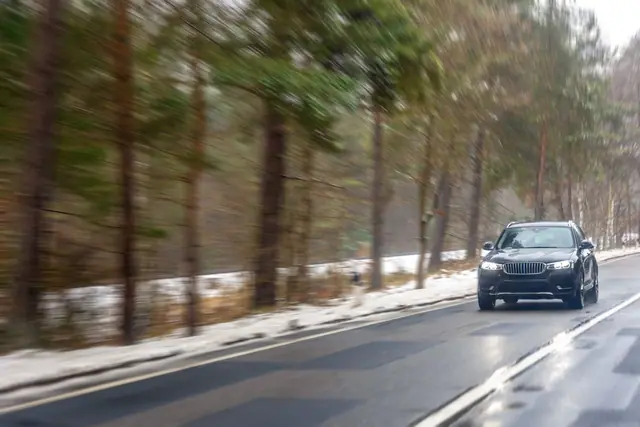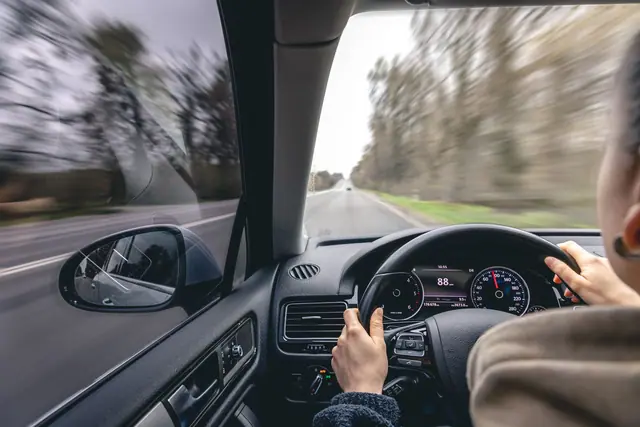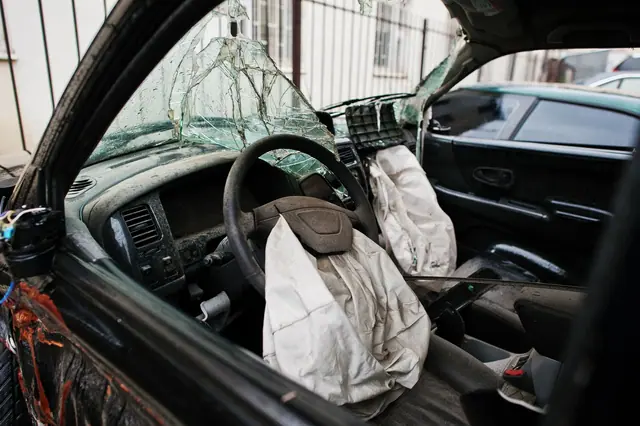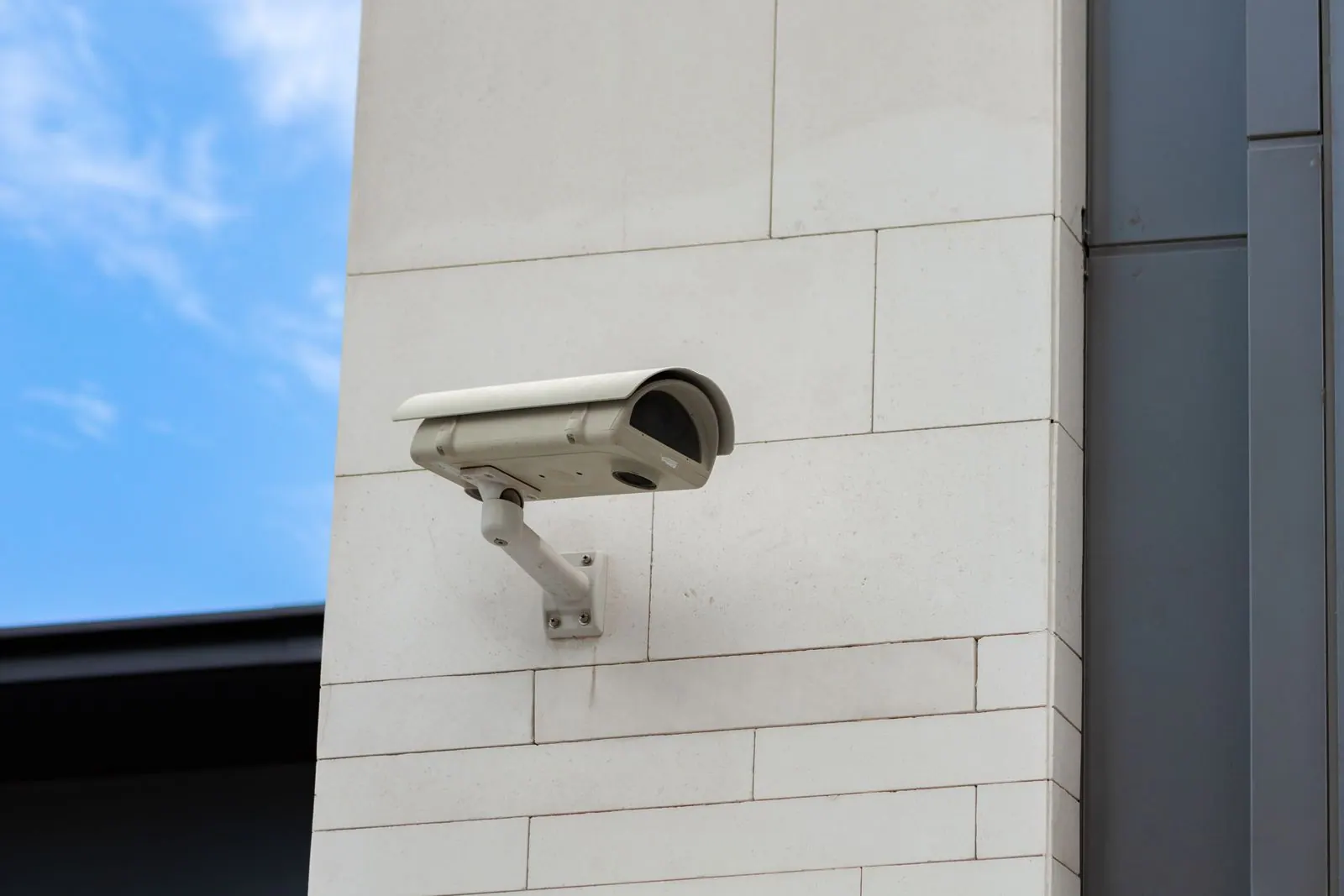
CCTV and dash cam footage can be invaluable when you’re involved in dangerous driving in Scotland. Police and prosecutors use this evidence to identify the driver, review the incident and support court proceedings. How this evidence is gathered and verified can help you to protect your position and make wise decisions.
Can CCTV Footage Be Used in Court for Dangerous Driving?
Yes. CCTV footage can be used as evidence in a Scottish court if it is relevant to the alleged incident. Police officers regularly look at recordings from local authority cameras, private camera systems and dash cam devices during an investigation.
The court will assess whether the footage is reliable, clear and lawfully obtained. The recording can be used by the prosecution to check the movements of the vehicle, identify registration details or show bad driving on the road.
What Types of Camera Footage Can Police Review?
If an offence is reported, the police may look at different types of camera footage. This can include CCTV from shops, traffic cameras, petrol stations and nearby buildings.
Dash cam footage is also common in reporting careless driving and dangerous driving allegations. In some cases, mobile phone recordings or audio clips from eyewitnesses may also form part of the process.
How Do Police Verify CCTV Evidence?
Footage is often reviewed by officers to confirm its authenticity before it is used as evidence. They will examine the date, time, clarity and origin of the recording. The court may challenge the reliability of the footage if it is unclear or has dropped frames.
Police also look at whether there’s clear footage of the driver or vehicle involved in the incident. Verification is important because evidence that is incorrect can affect the court case.
Can Dash Cam Footage Lead to Prosecution?
Yes. If the footage taken on a dash cam looks like it shows an offence taking place, then it can lead to a prosecution. The public sometimes sends footage to the police when they spot dangerous road behaviour or careless driving.
The Crown Office and Procurator Fiscal Service may prosecute if the footage shows speeding, failing to stop, using a mobile phone while driving, or dangerous overtaking. The police officers have to go through the evidence properly before taking any further action.
What Happens After Footage Is Submitted?
Once footage is submitted to the authorities, police can begin an investigation. Police may call witnesses, look at CCTV footage and see whether another piece of evidence fits with the reported occurrence.
If there is sufficient relevant information, the driver may be sent a notice of intended prosecution or a summons. In extreme cases, the matter can find itself in criminal court.
Can CCTV Footage Be Challenged in Court?
Yes. A solicitor or lawyer may challenge CCTV evidence on identification, privacy, clarity or process grounds. For instance, bad camera angles or delayed reporting might harm the prosecution’s case.
The defence can also explore if the recordings have been manipulated, whether the recording covers the entire incident or whether an eyewitness testimony differs from the clip played in court.
Does Privacy Law Affect CCTV Evidence?
The privacy rules still apply to the collection and release of the footage. Businesses and agencies who operate CCTV systems usually have a privacy policy about the storage and use of recordings.
Even where privacy concerns exist, Scottish courts may still allow footage used as evidence if it is relevant to public safety and enforcement matters.
Can CCTV Help Identify the Driver?
In some cases, CCTV footage clearly identifies the driver through facial identification or vehicle registration details. In other situations, poor lighting or limited camera angles may prevent police from confirming who was driving.
This can become important where multiple people had access to the vehicle at the time of the alleged incident.
Why Should You Seek Legal Advice Early?
Getting legal advice as soon as possible can help you to understand what evidence the police might have against you, and how to respond if the police contact you. Stewart Gordon Thomson Law Firm review CCTV Footage, dash cam evidence and prosecution claims to protect your position.
If you need help from a Dangerous Driving Solicitor Glasgow, our team can explain your options clearly. You can also contact us using our online enquiry form for advice about your case.